Planning the best time to visit Hemkund Sahib requires careful consideration as this sacred Gurudwara stands majestically at a breathtaking altitude of 4,632 meters (15,200 feet). Are you preparing for this spiritually significant pilgrimage? Understanding the optimal timing is crucial for a successful and fulfilling journey.
Hemkund Sahib Gurudwara is accessible only during the summer months, specifically from June to September. The pilgrimage site remains closed for the rest of the year (October to May) due to heavy snowfall that makes the trek impossible and potentially dangerous. This limited window makes timing your visit particularly important.
June stands out as the ideal month for first-time pilgrims to visit Hemkund Sahib, offering the safest conditions along with spiritual fulfillment. If you prefer scenic beauty with fewer crowds, September provides the most peaceful experience. During July and August, you’ll encounter peak season conditions with more fellow pilgrims sharing the journey.
Whether you’re planning your first pilgrimage or returning to this high-altitude Sikh shrine, this month-by-month guide will help you determine exactly when to embark on your Hemkund Sahib Yatra. Let’s explore the perfect timing for your spiritual journey to this remarkable destination.
Table of Contents
Why Timing Matters for Hemkund Sahib Yatra
Choosing the best time to visit Hemkund Sahib isn’t merely about convenience – it’s a matter of survival and spiritual fulfillment. This high-altitude pilgrimage presents unique challenges that make timing a critical factor in your journey’s success.
High Altitude and Weather Risks
The Hemkund Sahib Gurudwara sits at a breathtaking, where oxygen is scarce and every breath demands effort 4,329 meters above sea level. This extreme altitude creates serious health concerns for unprepared pilgrims. Almost one-third of visitors suffer from Acute Mountain Sickness during their trek, with approximately 50,000 out of 150,000 annual pilgrims facing health risks due to low oxygen levels, difficult climbing conditions, and inadequate water intake .
Weather conditions add another layer of complexity. Even during summer months, temperatures fluctuate dramatically – ranging from 5°C to 20°C during the day but dropping significantly at night. Furthermore, sudden showers or snowfall can occur unexpectedly throughout the pilgrimage season, creating hazardous conditions on already challenging terrain.
Impact on Accessibility and Safety
The Hemkund Sahib trek follows a seasonal rhythm dictated by nature. The site remains completely inaccessible from October through April because of snowbound paths and glaciers. Consequently, pilgrims must plan their visits carefully within the narrow window when the Gurudwara is operational.
Additionally, the monsoon season (July to August) brings its own dangers. Heavy rainfall creates slippery trekking paths and increases the risk of landslides along the routes to Govindghat. Notably, no overnight stays are permitted at Hemkund Sahib—pilgrims must begin their descent by 2 pm to return before nightfall, making timing your visit even more crucial.
Spiritual and Physical Readiness
The journey to Hemkund Sahib isn’t merely a physical challenge – it’s a spiritual pilgrimage that demands both bodily and mental preparation. The trek involves a strenuous 19-kilometer journey from the base camp at Govindghat, with the final 6-kilometer stretch featuring steep ascents that test even experienced trekkers.
Above all, this pilgrimage requires preparation that extends beyond physical fitness. As traditional Sikh philosophy embraces the concept of “kirt karni” (earning through honest effort), the trek becomes a form of seva (selfless service) to one’s spiritual development. In fact, many pilgrims begin their final ascent at 3 AM, trekking by headlamp to reach the lake by sunrise – a physical manifestation of their spiritual dedication.
Month-by-Month Guide to Visiting Hemkund Sahib

The timing of your Hemkund Sahib pilgrimage dramatically affects your experience. Let’s explore each month’s unique conditions throughout the yatra season.
| Month | Status | Recommendation |
| April | Snow Clearance | Limited Travel Scope |
| June | Clear Weather | Best Time |
| July | Peak Season | Good to Travel |
| August | Monsoon | Risky Time |
| September | Clear & Calm Sky | Best Time |
| October-May | Snowbound | Closed |
June: Best for first-time pilgrims
June offers ideal conditions with temperatures ranging from 5°C to 15°C during daytime and 0°C to 5°C at night. Snow has mostly melted, creating manageable trekking conditions. Essentially, June provides clear weather with minimal landslide risks, making it perfect for families and senior citizens. Medical and langar services are fully operational, ensuring a safe pilgrimage experience.
July: Peak season with monsoon risks
July marks the peak pilgrimage season with maximum visitor numbers. Despite being monsoon season, temperatures remain comfortable at 8°C to 18°C during day and 2°C to 8°C at night. Nevertheless, expect frequent rainfall, slippery paths, and potential landslides. The Valley of Flowers begins blooming, attracting nature enthusiasts alongside pilgrims.
August: Lush views but high rainfall
Throughout August, rainfall intensifies with approximately 20 rainy days. Yet this creates stunning landscapes – lush greenery and vibrant wildflowers in full bloom. The trails become increasingly challenging, often muddy and slippery. Properly waterproofed gear is essential as this period combines spiritual significance with natural beauty.
September: Clear skies and fewer crowds
September emerges as perhaps the most pleasant month with post-monsoon clear skies and temperatures around 14°C during day. Hence, visibility improves dramatically, offering crisp views of snow-capped peaks. The trails are less crowded compared to July-August, creating a more peaceful pilgrimage experience.
October to May: Gurudwara closed due to snow
Once October arrives, Hemkund Sahib prepares to close for winter, typically around October 10th. Subsequently, temperatures plummet below freezing, often reaching -15°C in winter months. Throughout this period, the entire area remains snow-bound and completely inaccessible. The Gurudwara reopens only after snow clearance in late May.
Best Time to Visit Hemkund Sahib by Different Types of Pilgrims
Different pilgrims have unique needs that influence the ideal time to visit Hemkund Sahib. Your physical condition, interests, and travel goals should guide your timing decision.
- Senior citizens and families
Early June and early September are optimal for senior citizens and families. These periods offer milder weather conditions while avoiding peak crowds. Currently, over 60% of pilgrims are above 50 years old, yet the trek remains challenging for this demographic. Consider that pony and palanquin services are available for those with mobility concerns. Many pilgrims find inspiration in seeing elderly devotees completing the journey – a testament that determination often outweighs physical limitations. - Experienced trekkers and solo travelers
For experienced trekkers and solo travelers, September provides the perfect balance of clear skies, fewer crowds, and well-maintained paths. Solo trekking is entirely feasible as trails are well-marked with basic accommodations throughout. Ideally, start your trek early, especially for Hemkund Sahib, as the gurudwara closes to visitors by 2 PM. - Nature lovers and photographers
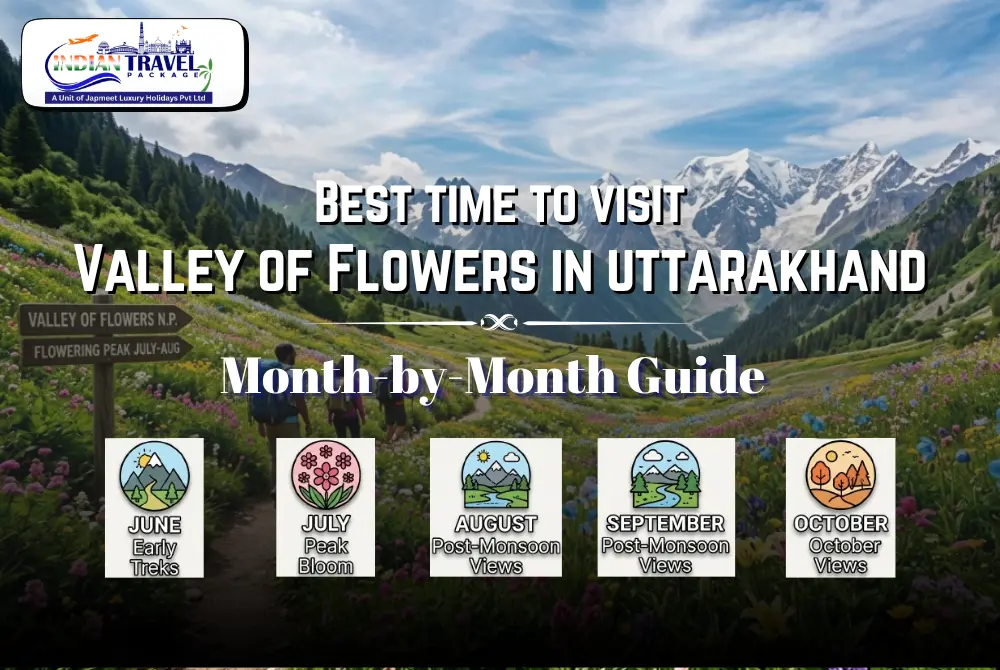
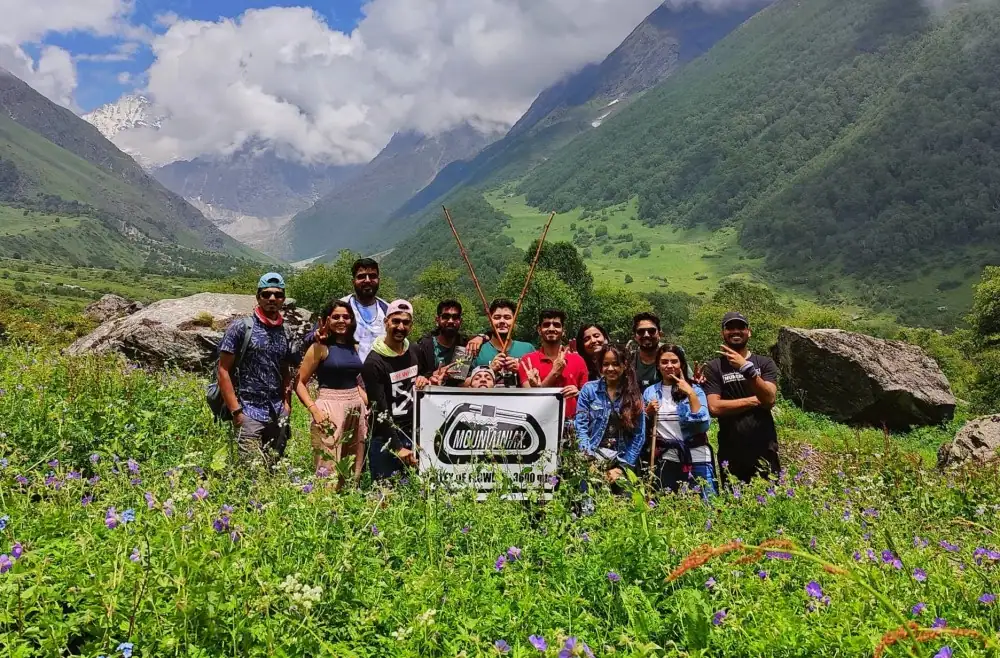
Nature enthusiasts should visit between mid-July to mid-August when the valley transforms with over 500 species of wildflowers in bloom. Photographers benefit from capturing Brahma Kamal and the rare Blue Poppy against misty backdrops. - Pilgrims combining Valley of Flowers and Hemkund Sahib
July stands out as the most balanced month for pilgrims visiting both destinations. Remember that the Valley of Flowers opens at 7 AM daily with the last entry at 2 PM.
Tips to Prepare for Your Visit to Hemkund Sahib
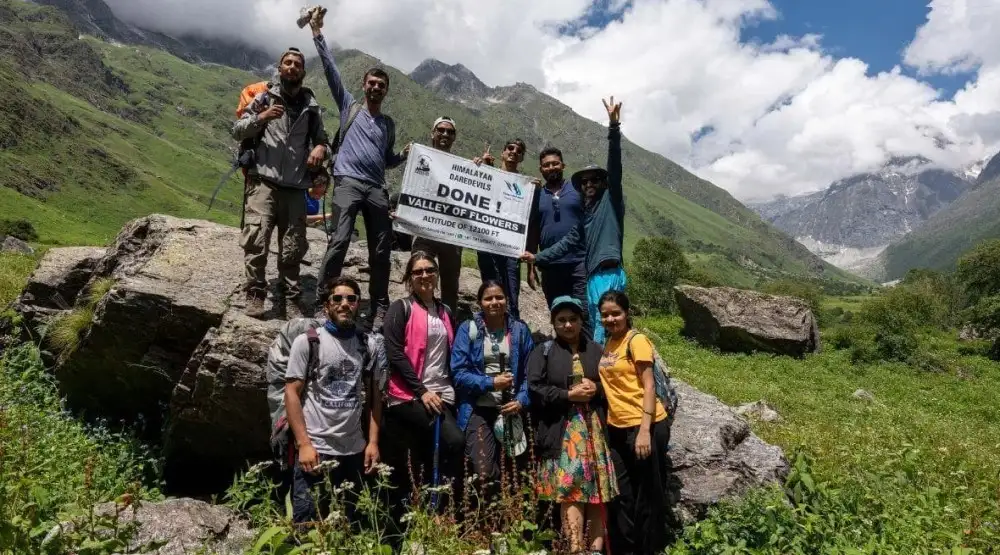
Proper preparation remains the cornerstone of a successful Hemkund Sahib pilgrimage, regardless of when you choose to visit. Your comfort and safety throughout this high-altitude journey depend on thoughtful planning and appropriate gear.
- Clothing and gear for each season
Packing smartly for Hemkund Sahib requires balancing essentials with keeping your backpack lightweight. For summer months (June-September), dress in layers with moisture-wicking inner wear, warm fleece, and a waterproof windproof jacket. Sturdy waterproof trekking shoes with good grip are non-negotiable. Although June offers warmer temperatures, mornings and evenings remain cold even in summer. Throughout July-August, rain gear becomes vital as rainfall occurs almost daily. For early or late season visits, add extra thermal layers, woolen caps, gloves, and socks. - Health precautions and altitude readiness
Altitude sickness presents a serious risk at Hemkund’s 4,632 meters (15,197 feet) elevation. Common symptoms include headaches, breathing difficulty, dizziness, and vomiting. To minimize risks, spend time acclimatizing at lower elevations before ascending . Stay properly hydrated and avoid becoming overly tired. Carry essential medications including pain relievers, broad-spectrum antibiotics, altitude sickness remedies, and basic first aid supplies. Begin physical preparation at least 2-3 weeks before your journey with cardio exercises like jogging or brisk walking. - Booking accommodation in advance
Overnight stays at Hemkund Sahib Gurudwara are strictly prohibited. Instead, pilgrims must arrange lodging at Ghangaria (also called Gobind Dham), located 2.2 km from the shrine. During peak season (July-August), accommodations fill quickly, making advance booking essential. Options range from budget hotels and lodges to Gurudwara accommodations that provide basic rooms and meals either free or for a small donation. For pre-trek stays, consider Govindghat or Joshimath, which offers more comfortable alternatives.
Why Travel with a Guide or Tour Package
Navigating a high-altitude pilgrimage like Hemkund Sahib becomes considerably easier with professional guidance. Many experienced pilgrims recognize the value of tour packages, particularly when timing your visit during challenging weather periods.
Local expertise and safety
Tour operators provide experienced guides who understand the terrain’s unique challenges, ultimately enhancing your safety throughout the journey. Reputable trekking companies employ guides knowledgeable about local weather patterns and altitude-related risks. Moreover, these professionals typically offer first-aid support and implement emergency evacuation plans should unexpected situations arise. This expertise proves particularly valuable during monsoon season when trails become hazardous with slippery conditions.
Cultural insights and language support
Professional guides enrich your pilgrimage by providing cultural context beyond basic navigation. Indeed, guides share valuable insights into local customs, traditions, and wildlife along the trekking route. They facilitate meaningful communication in regions where language barriers exist. Additionally, guides explain appropriate behaviors at sacred sites, ensuring you respect the spiritual significance of Hemkund Sahib throughout your visit.
Conclusion
The journey to Hemkund Sahib represents far more than a simple pilgrimage – it stands as a profound spiritual experience that demands careful timing and thorough preparation. Your pilgrimage window remains limited to just four months, making each potential visiting period uniquely valuable depending on your personal preferences and physical capabilities.
First-time pilgrims will find June most welcoming with its stable weather and fully operational facilities. Families and senior citizens likewise benefit from these conditions, though September offers a similar experience with fewer crowds. July and August, despite monsoon challenges, reward visitors with spectacular natural beauty as the Valley of Flowers blooms into its full glory.
The sacred journey to Hemkund Sahib tests both physical endurance and spiritual dedication. Many pilgrims find that traveling with experienced guides enhances safety while providing valuable cultural context. This approach proves especially beneficial during challenging weather periods or for those combining their visit with the Valley of Flowers.
Planning your visit during the right month will significantly impact your overall experience. The pristine lake, majestic mountains, and spiritual atmosphere of Hemkund Sahib await those who arrive prepared – both physically and spiritually – for this remarkable high-altitude pilgrimage. Once you understand the seasonal patterns and prepare accordingly, your journey to this sacred Gurudwara will undoubtedly become one of your most meaningful spiritual adventures.
Frequently Asked Questions
When is the best time to visit Hemkund Sahib?
The best time to visit Hemkund Sahib is from June to September. June is ideal for first-time pilgrims with stable weather, while September offers clear skies and fewer crowds. July and August are peak seasons but come with monsoon risks.
How long does a typical Hemkund Sahib pilgrimage take?
A typical pilgrimage to Hemkund Sahib requires 3-4 days minimum. This allows for a relaxed pace to explore the Gurudwara and its surroundings, including time for acclimatization and the trek itself.
What should I pack for my Hemkund Sahib visit?
Pack layered clothing, including moisture-wicking inner wear, warm fleece, and a waterproof jacket. Sturdy waterproof trekking shoes are essential. Don’t forget rain gear, especially for July-August visits. Also, carry essential medications and altitude sickness remedies.
Are there accommodation options near Hemkund Sahib?
Overnight stays at Hemkund Sahib Gurudwara are not allowed. Pilgrims typically stay in Ghangaria (Gobind Dham), located 2.2 km from the shrine. Options range from budget hotels to Gurudwara accommodations. It’s advisable to book in advance, especially during peak season.
Is it recommended to use a guide or tour package for Hemkund Sahib?
Yes, using a guide or tour package is highly recommended, especially for first-time visitors. They provide local expertise, safety measures, help with logistics and permits, and offer valuable cultural insights. This can be particularly beneficial during challenging weather periods or when combining the visit with the Valley of Flowers.