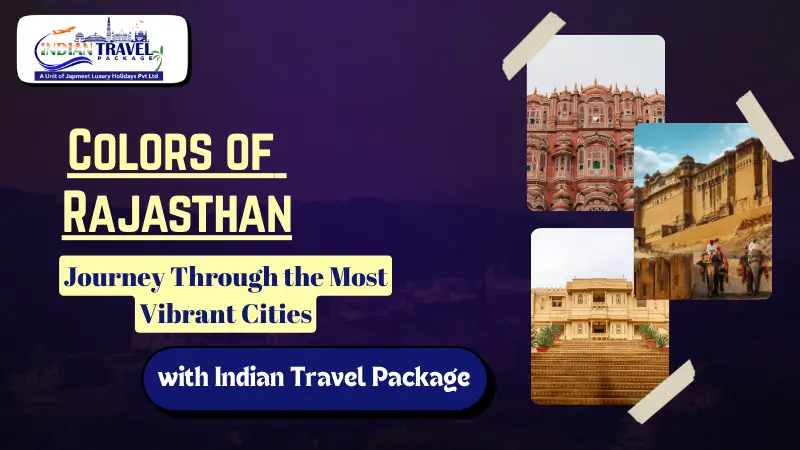
Rajasthan, India’s largest state by area, is a land where history breathes through magnificent forts, grand palaces whisper tales of valor, and every city wears its heritage in vibrant hues. Known as the “Land of Kings,” Rajasthan is equally famous for being the “Land of Colors.” From the romantic pink streets of Jaipur to the heavenly blue houses of Jodhpur, from the shimmering golden sands of Jaisalmer to the pristine white marble palaces of Udaipur – the colors of Rajasthan paint a mesmerizing picture that captivates every traveler. Each color tells a unique story of tradition, culture, and architectural brilliance, making Rajasthan one of the most visually stunning destinations in the world. Let’s embark on a colorful journey through these magnificent cities that define the essence of royal India.
Why Rajasthan is Called the Land of Colors
Rajasthan’s identity as a colorful state isn’t merely about aesthetics; it’s deeply rooted in history, culture, and practical wisdom. The tradition of color-coding cities began centuries ago and served multiple purposes – from distinguishing social classes to practical benefits like keeping homes cool in the scorching desert heat.
The colors of Rajasthan reflect the state’s diverse landscape, ranging from the golden Thar Desert to the lush Aravalli hills, and from ancient trade routes to royal kingdoms. Each city adopted a signature color that became part of its identity, creating a visual symphony that attracts millions of tourists annually.
The vibrant hues aren’t limited to buildings alone. The colorful turbans, traditional attire, folk dances, handicrafts, and festivals add layers to Rajasthan’s kaleidoscopic charm. The famous saying “Padharo Mhare Desh” (Welcome to my land) truly comes alive when you witness the warm hospitality wrapped in these magnificent colors. This unique color-coding has made Rajasthan’s cities instantly recognizable and has established them as some of India’s most photographed and visited destinations.
Jaipur – The Pink City
Jaipur, the capital of Rajasthan and the gateway to the state’s treasures, proudly holds the title of “The Pink City.” Founded in 1727 by Maharaja Sawai Jai Singh II, Jaipur is renowned for its well-planned layout based on Vastu Shastra, making it India’s first planned city.
The Story Behind the Pink
The iconic pink color wasn’t Jaipur’s original shade. In 1876, when Prince Albert (later King Edward VII) planned to visit India with Queen Victoria, Maharaja Ram Singh decided to welcome the royal guests with grandeur. Since pink traditionally symbolizes hospitality in Indian culture, he ordered the entire city to be painted in terracotta pink. The tradition has been maintained ever since, and today, it’s mandatory by law for buildings in the old city to maintain the signature pink shade.
Top Attractions in Jaipur
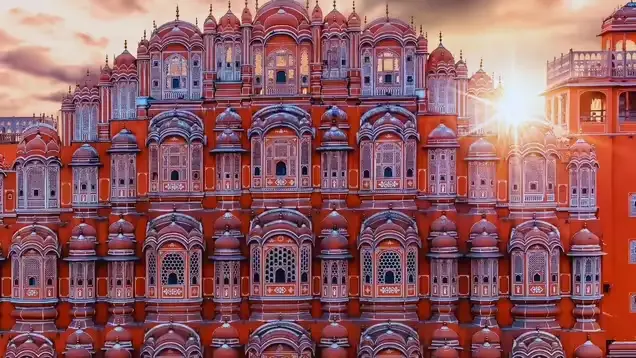
The Pink City is a treasure trove of architectural marvels that showcase Rajput grandeur:
- Hawa Mahal (Palace of Winds): This five-story stunning structure with 953 intricately designed windows stands as Jaipur’s most iconic landmark. Built in 1799, it allowed royal ladies to observe street festivals while maintaining their purdah.
- City Palace: A magnificent blend of Rajasthani and Mughal architecture, this sprawling complex still houses the royal family. The museums inside display royal costumes, weapons, and artifacts that offer glimpses into royal life.
- Amber Fort: Located 11 kilometers from Jaipur, this majestic fort sits atop a hill and offers breathtaking views. The Sheesh Mahal (Mirror Palace) inside is an architectural wonder that dazzles visitors.
- Jantar Mantar: This UNESCO World Heritage Site is an astronomical observatory featuring the world’s largest stone sundial. Built by Maharaja Jai Singh II, it showcases ancient India’s scientific prowess.
- Johari Bazaar and Bapu Bazaar: These bustling markets are perfect for shopping traditional Rajasthani jewelry, textiles, handicrafts, and the famous blue pottery.
Travel Tip: Many travelers combine their Jaipur visit with Delhi and Agra to complete the famous Golden Triangle circuit. If you’re planning a comprehensive North India journey, consider a Delhi Agra Tour Package that covers the Taj Mahal, Red Fort, and Qutub Minar before heading to the Pink City, giving you a perfect introduction to India’s heritage triangle.
Jodhpur – The Blue City
As you travel westward through Rajasthan, you’ll encounter Jodhpur, the second-largest city in the state, fondly known as “The Blue City.” Founded in 1459 by Rao Jodha, this city presents a spectacular aerial view where clusters of blue houses spread like a sapphire blanket at the edge of the Thar Desert.
Mystery of the Blue Color
The origin of Jodhpur’s blue houses has several fascinating theories. Historically, the Brahmin community (priests and scholars) painted their homes blue to distinguish themselves from other castes. The color blue is also associated with Lord Shiva, whom many Jodhpurites worship devoutly.
Practically speaking, the blue color has scientific benefits. The lime-based blue paint helps keep interiors cool in the intense desert heat and acts as a natural insect repellent, particularly against mosquitoes and termites. Over time, the tradition spread beyond the Brahmin community, and today, the blue cityscape has become Jodhpur’s defining identity.
Major Landmarks in Jodhpur
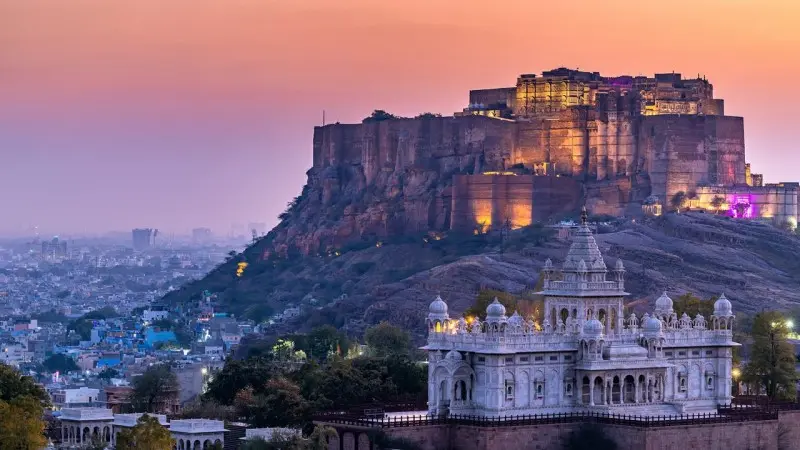
- Mehrangarh Fort: Towering 400 feet above the city, this colossal fort is one of India’s largest and most impressive. The fort museum houses an exquisite collection of paintings, weapons, and royal palanquins. The panoramic view of the blue city from the fort’s ramparts is absolutely breathtaking.
- Jaswant Thada: This pristine white marble memorial built in 1899 serves as a peaceful contrast to the blue city. Often called the Taj Mahal of Marwar, it features delicate lattice work and beautiful portraits of Rathore rulers.
- Umaid Bhawan Palace: One of the world’s largest private residences, part of this Art Deco palace serves as a luxury hotel while another section houses a museum showcasing royal artifacts and vintage cars.
- Clock Tower and Sardar Market: The bustling markets around the Victorian-era clock tower offer authentic experiences with local spices, textiles, antiques, and the famous Jodhpuri jutis (traditional footwear).
Cultural Experience
Don’t miss the opportunity to try authentic Rajasthani cuisine, especially the famous Mirchi Vada, Mawa Kachori, and Makhaniya Lassi. The narrow winding lanes of the old city, painted in various shades of blue, provide endless photo opportunities and cultural immersion.
Jaisalmer – The Golden City
Rising like a magnificent mirage from the golden sands of the Thar Desert, Jaisalmer is rightfully called “The Golden City.” Founded in 1156 by Rawal Jaisal, this ancient city seems to glow with golden radiance, especially during sunrise and sunset when the honey-colored sandstone architecture shimmers magically.
Unlike other colors of Rajasthan that came from paint, Jaisalmer’s golden hue is natural, emanating from the yellow sandstone used in its construction. The city’s architecture glows in various shades of gold throughout the day, creating an ethereal atmosphere that transports visitors to a bygone era.
Unique Attractions
- Jaisalmer Fort (Sonar Quila): This living fort, built in 1156, is unique because it still houses shops, hotels, restaurants, and nearly 3,000 residents. The intricate carvings on the golden sandstone walls tell stories of merchant caravans and desert kingdoms. It’s one of the very few living forts in the world and a UNESCO World Heritage Site.
- Patwon Ki Haveli: This cluster of five havelis built by wealthy merchants showcases exquisite architecture with intricate carvings, mirror work, and painted ceilings. Each haveli tells tales of the prosperity of Jaisalmer’s trading community.
- Sam Sand Dunes: Located 45 kilometers from the city, these golden sand dunes offer quintessential desert experiences. Camel safaris, jeep rides, cultural performances, and overnight desert camping under star-studded skies create unforgettable memories.
- Gadisar Lake: This historic artificial lake, surrounded by temples and ghats, offers a peaceful retreat. The golden reflections during sunset create picture-perfect moments.
Desert Experience
A visit to the Golden City isn’t complete without spending a night in the desert. Traditional Rajasthani folk music and dance performances around the bonfire, sleeping under the open sky, and waking up to a spectacular desert sunrise are experiences that define Jaisalmer’s charm.
Udaipur – The White City
Nestled in the southern part of Rajasthan amidst the picturesque Aravalli Hills, Udaipur is elegantly known as “The White City.” Often called the “Venice of the East” and the “City of Lakes,” Udaipur was founded in 1553 by Maharana Udai Singh II and represents romance, serenity, and architectural elegance.
Must-Visit Places in Udaipur
- City Palace: This sprawling palace complex overlooking Lake Pichola is a masterpiece of Rajasthani architecture. Built over 400 years, it showcases intricate peacock mosaics, beautiful courtyards, and balconies offering stunning lake views. The museum inside displays royal artifacts, paintings, and crystal collections.
- Lake Pichola: Created in 1362, this artificial lake is the soul of Udaipur. The sunset boat rides offer magical views of the City Palace and surrounding hills. The lake houses two island palaces – Jag Mandir and the famous Lake Palace.
- Lake Palace (Jag Niwas): This white marble wonder appears to float on Lake Pichola’s waters. Now a luxury heritage hotel managed by Taj, it has hosted numerous dignitaries and featured in several Bollywood and Hollywood films.
- Saheliyon Ki Bari (Garden of Maidens): This ornamental garden built for royal ladies features beautiful fountains, lotus pools, marble pavilions, and lush greenery.
- Bagore Ki Haveli: This 18th-century haveli has been converted into a museum showcasing royal costumes, jewelry, and artifacts. The evening cultural show featuring traditional Rajasthani folk dances is a highlight.
Romantic Appeal
Udaipur’s tranquil lakes, majestic palaces, and pleasant weather make it a favorite destination for honeymooners and couples. The city’s laid-back atmosphere, rooftop restaurants with lake views, and artistic heritage create an enchanting experience that lingers in memory.
Bikaner – The Red City (The Hidden Gem)
While not as famous as its colorful counterparts, Bikaner deserves recognition as “The Red City.” Founded in 1488 by Rao Bika, this desert city in northern Rajasthan showcases stunning red sandstone architecture that gives it a distinct identity among the colors of Rajasthan.
Key Attractions Places in Bikaner
- Junagarh Fort: Unlike most Rajasthani forts built on hills, Junagarh Fort stands on plain land yet remained unconquered. The red sandstone structure houses beautiful palaces with stunning interiors featuring gold leaf paintings, Italian tiles, and Chinese glass.
- Lalgarh Palace: Built between 1902 and 1926, this magnificent red sandstone palace showcases Indo-Saracenic architecture and now partly functions as a heritage hotel.
- b Located 30 kilometers from Bikaner, this unique temple houses thousands of rats considered sacred and worshipped by devotees.
- Bikaneri Bhujia: Bikaner is famous for its savory snacks, particularly Bikaneri Bhujia, which has become synonymous with the city’s culinary identity.
Though less explored compared to other colorful cities of Rajasthan, Bikaner offers an authentic experience without overwhelming tourist crowds, making it perfect for travelers seeking offbeat destinations.
Planning a Complete North India Tour?
Combine the colors of Rajasthan with India’s most iconic monuments! Our Delhi Agra Jaipur Tour Package is perfect for first-time visitors wanting to experience the best of North India in one seamless journey. Witness the Taj Mahal at sunrise, explore Delhi’s historical treasures, and immerse yourself in Jaipur’s Pink City charm.
Package Highlights:
✅ Taj Mahal and Agra Fort guided tours
✅ Delhi’s UNESCO World Heritage Sites
✅ Jaipur’s magnificent palaces and forts
✅ Comfortable AC transportation throughout
✅ Expert local guides with deep cultural knowledge
✅ Handpicked heritage hotels
Best Time to Visit the Colors of Rajasthan
The ideal time to explore the colors of Rajasthan is during the winter months from October to March when the weather remains pleasant and comfortable for sightseeing. Daytime temperatures range between 20-28°C, perfect for exploring forts, palaces, and markets.
November to February is peak tourist season when various cultural festivals add vibrancy to your experience. The famous Pushkar Camel Fair (November), Jaipur Literature Festival (January), Desert Festival in Jaisalmer (February), and Holi celebrations (March) offer unique cultural immersion.
Summer months (April to June) can be extremely hot with temperatures soaring above 45°C, especially in desert regions. However, off-season travel offers advantages like lower hotel rates and fewer crowds. The monsoon season (July to September) brings moderate rainfall, transforming the landscape into lush greenery, though it’s not the most popular time for visiting.
Experience Colors of Rajasthan with Indian Travel Package
Planning a journey through the magnificent colors of Rajasthan requires careful itinerary planning, comfortable accommodation, and reliable transportation. Indian Travel Package offers comprehensive Rajasthan tour packages designed to showcase the best of these colorful cities while ensuring comfort, convenience, and authentic experiences.
Our Rajasthan Tour Packages Include:
✅ Comfortable AC transportation throughout the journey
✅ Handpicked heritage hotels and accommodations
✅ Expert local guides with deep cultural knowledge
✅ Customizable itineraries based on your preferences
✅ All major attractions and hidden gems coverage
✅ Cultural experiences including folk performances
✅ Desert camping arrangements in Jaisalmer
✅ Camel and jeep safari bookings
✅ 24/7 customer support during the tour
Whether you’re planning a romantic getaway, family vacation, or solo adventure, we customize packages to match your interests and budget. Our popular “Colors of Rajasthan Tour” covers Jaipur, Jodhpur, Jaisalmer, and Udaipur over 8-10 days, providing ample time to absorb each city’s unique character and charm.
Book your journey with Indian Travel Package today to plan your colorful Rajasthan adventure and create memories that will last a lifetime. Our experienced team ensures that every aspect of your journey reflects the royal heritage and warm hospitality that Rajasthan is famous for.
Conclusion
The colors of Rajasthan are more than just visual treats; they represent centuries of history, cultural evolution, and architectural genius. Each colorful city – the welcoming Pink Jaipur, the serene Blue Jodhpur, the mystical Golden Jaisalmer, the romantic White Udaipur, and the rustic Red Bikaner – offers unique experiences that collectively showcase why Rajasthan remains India’s most beloved tourist destination.
These vibrant cities prove that Rajasthan isn’t just a destination; it’s an experience that touches all senses. From the colorful bazaars and majestic forts to traditional cuisine and folk performances, every element contributes to an unforgettable journey through India’s royal heartland. So pack your bags, charge your cameras, and prepare to be painted in the magnificent colors of Rajasthan – where every hue tells a story, and every street echoes with royal heritage!
Frequently Asked Questions About Colors of Rajasthan
What cultural significance do different colors hold in Rajasthan?
Each color in Rajasthan carries deep cultural meaning:
1. Pink (Jaipur): Symbolizes hospitality and welcome in Indian tradition; painted to greet British Prince of Wales in 1876
2. Blue (Jodhpur): Represents Brahmin community and devotion to Lord Shiva; keeps homes cool and repels insects
3. Golden (Jaisalmer): Reflects desert landscape and merchant prosperity; natural color of local sandstone
4. White (Udaipur): Signifies purity, peace, and the valor of Mewar dynasty
5. Red (Bikaner): Represents strength and warrior spirit of Rathore clan
These colors indicate social hierarchies, religious beliefs, practical benefits, and royal heritage.
What festivals in Rajasthan are known for vibrant colors and traditions?
Rajasthan’s most colorful festivals include:
– Holi (March): Festival of colors with vibrant powder celebrations across the state
– Pushkar Camel Fair (November): Colorfully decorated camels, traditional attire, and folk performances
– Desert Festival, Jaisalmer (February): Colorful turbans, folk dances, camel processions in golden desert
– Teej Festival (August): Women in bright green and yellow celebrating monsoon
– Gangaur Festival (March-April): Processions with women in vibrant lehengas carrying decorated idols
– Jaipur Literature Festival (January): Cultural programs with traditional Rajasthani performances
– Diwali (October-November): Millions of diyas and colorful rangoli decorations
What are the main tourist attractions in Jaipur, Udaipur, and Jodhpur?
Jaipur (Pink City): Amber Fort with Sheesh Mahal, Hawa Mahal (Palace of Winds), City Palace and museums, Jantar Mantar (UNESCO site), Jal Mahal (Water Palace), Nahargarh Fort for sunset views, Johari and Bapu Bazaars
Udaipur (White City): City Palace overlooking Lake Pichola, Lake Palace (floating marble palace), Jag Mandir island palace, Saheliyon Ki Bari gardens, Bagore Ki Haveli with cultural shows, Fateh Sagar Lake, Monsoon Palace for city views
Jodhpur (Blue City): Mehrangarh Fort with panoramic views, Jaswant Thada marble memorial, Umaid Bhawan Palace, Clock Tower and Sardar Market, Blue painted old town lanes, Mandore Gardens, Rao Jodha Desert Rock Park